Belt Conveyor System Manufacturer In Dharamsala
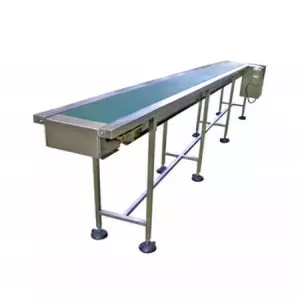
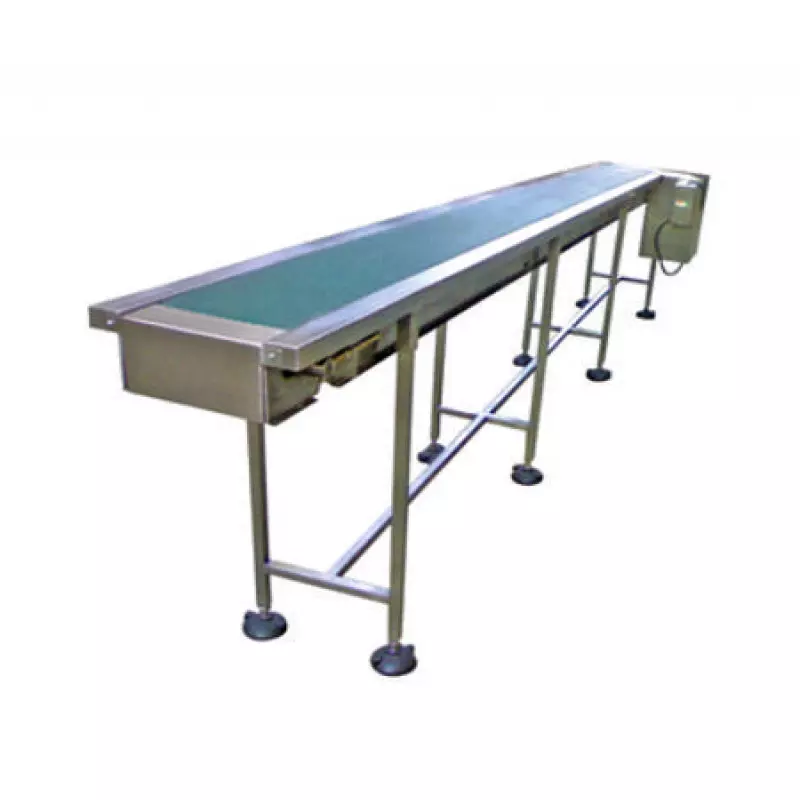
Details of Belt Conveyor With VFD Control
Choosing a belt conveyor system manufacturer serving Dharamsala means you get machines built with strict quality checks and solid design. We focus on making conveyors that hold up under daily use in pharma plants and other industries.
Conveyor belts face wear and tear; maintenance keeps them running longer. Using proper cleaning methods, regular checks for belt tension, motor function, and alignment is key to avoiding costly downtime. Parts like rollers or pulleys need inspection too since failure there stops the whole line.
Guidelines for Using Our Conveyor Systems
| Aspect | Description |
|---|---|
| Load Capacity | Match belt strength to material weight to avoid breakage. |
| Speed Control | Use variable frequency drives where possible for smooth operation. |
| Material Compatibility | Select belt type based on product properties like abrasiveness or moisture. |
The steady feed rate depends on calibration between motor speed and belt surface friction—adjusting these prevents spills or jams. It's important to plan space properly so conveyor paths don’t obstruct other processes or safety routes inside the plant. Equipment must fit within cleanroom standards if used in pharma sectors.
Apart from core mechanical parts, conveyors integrate well with loading stations, sensors, and control panels for automated workflows but require regular software updates and safety audits (this detail often slips notice). Then there's the matter of installation; poor setup leads to uneven loads which cause faster wear on belts and components—investing in expert setup pays off long term.
Offered Product
