Standard Shaped Tooling Manufacturers In Kolkata
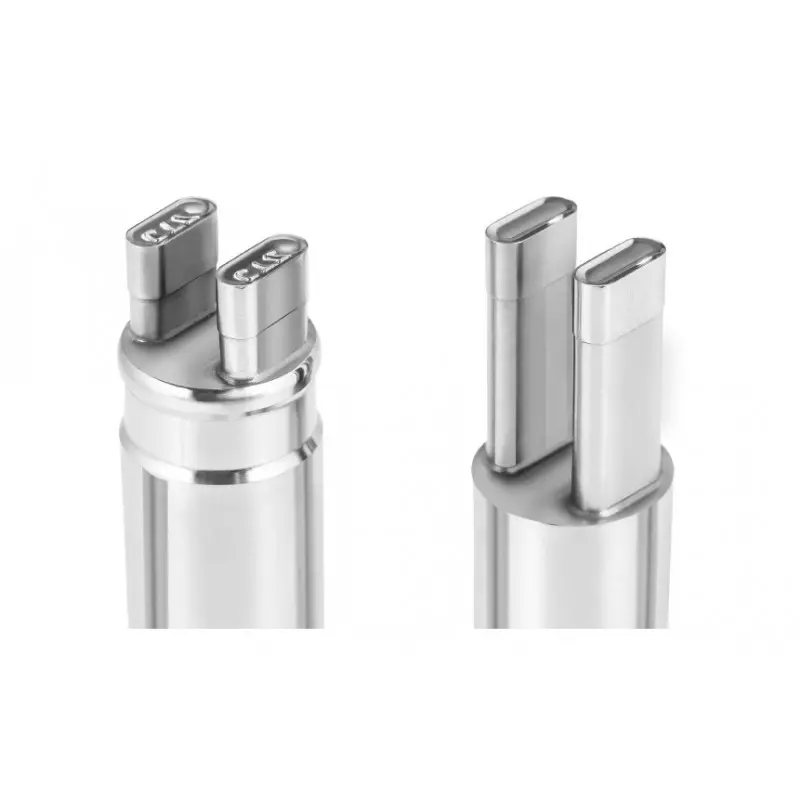
Details of Standard Shaped Tooling
Improving Customer Satisfaction Through Better Lead Times
In the tooling industry, lead time is one of the most important factors affecting customer satisfaction. For standard tooling production facilities, delivering high-quality tools on time is as major as the precision and durability of the tools themselves. Reduced lead times not only strengthen client relationships but also enhance competitiveness in a fast-moving market in West Bengal.
Why Lead Times Matter
To the total time taken from receiving a customer order to delivering the finished product. Excessive lead times can cause:
- Production delays for clients
- Increased inventory costs
- Reduced trust and repeat business
We promised delivery schedules are more likely to secure long-term partnerships.
Strategies to Improve Lead Times
1. Streamline Production Processes
Optimizing workflow, reducing bottlenecks, and implementing lean manufacturing principles ensure faster turnaround without compromising quality.
2. Adopt Advanced Planning & Scheduling Tools
ERP and production planning software help allocate resources efficiently, track order progress, and anticipate potential delays.
3. Maintain Optimal Inventory Levels
Balancing raw material availability with demand forecasts prevents delays caused by stockouts or overstocking.
4. Skilled Workforce & Training
Well-trained operators and technicians can perform tasks more efficiently, reducing rework and enhancing output consistency.
5. Communication & Transparency
Keeping clients informed about order status and any potential delays helps manage expectations and builds trust.
Enhancing Customer Satisfaction
By improving lead times, standard tooling vendors can maximize quality, strengthen client relationships, and position themselves as industry leaders. Successful delivery of high-quality tools on schedule ensures repeat business and long-term growth.
Offered Product