Storage Cabinet Supplier Rajkot
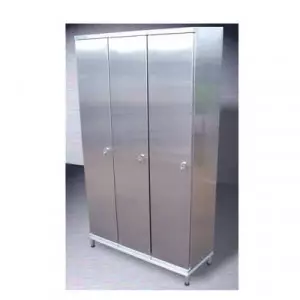
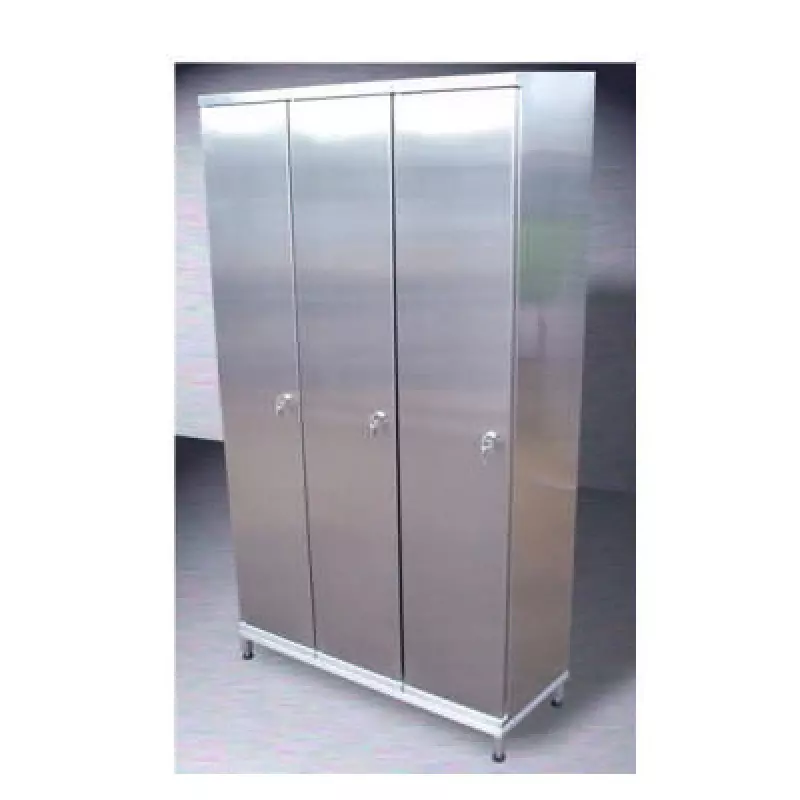
Details of SS Storage Cabinet
1. What types of storage cabinets are available?
- Metal Cabinets: Durable and ideal for industrial use.
- Wood Cabinets: Aesthetic options for offices and homes.
- Plastic Cabinets: Lightweight, resistant to moisture, and suitable for lab or garage environments.
- Lockable Cabinets: Provide added security for sensitive items.
2. How do I choose the right storage cabinet? Clients should consider:
- Intended use (industrial, office, or home)
- Load capacity requirements
- Space and footprint limitations
- Security needs (locks, reinforced doors)
3. What maintenance is required for storage cabinets?
- Metal cabinets: Wipe regularly to prevent rust, inspect hinges and locks.
- Wood cabinets: Avoid excessive moisture, polish periodically.
- Plastic cabinets: Clean with mild detergent, avoid harsh chemicals.
4. Are storage cabinets customizable? Yes, many manufacturers provide options for adjustable shelves, specialized compartments, or reinforced structures tailored to client needs.
Industry Insights
Trends in Storage Solutions:
- Modular Systems: Growing demand for modular storage units that can be expanded or reconfigured based on space and inventory requirements.
- Smart Inventory Cabinets: Integration with digital tracking and IoT devices for real-time inventory management.
- Sustainability: Increasing use of eco-friendly materials and recyclable components in cabinet manufacturing.
Challenges and Considerations:
- Efficient space utilization in warehouses and offices.
- Balancing durability with aesthetic appeal.
Compliance with safety standards, particularly for flammable or hazardous material storage.
Technology & Innovation
1. Smart Storage Cabinets Some modern cabinets are equipped with sensors, electronic locks, and cloud-based monitoring, enabling real-time tracking of contents and access control.
2. Innovative Materials
- High-strength steel alloys for industrial durability.
- Fire-resistant composites for secure storage of sensitive materials.
- Lightweight polymers for portability without compromising strength.
3. Ergonomic Design Enhancements
- Adjustable shelving for flexible storage layouts.
- Smooth sliding drawers and doors for easier access.
- Modular stacking designs to maximize vertical space.
4. Automation Integration
- Cabinets can be linked to warehouse management systems.
- Automated retrieval systems reduce manual handling and increase efficiency.
Summary: Storage cabinets continue to evolve with technology and industry trends, offering clients versatile, durable, and increasingly intelligent storage options. From traditional metal and wood units to smart cabinets with IoT integration, there are solutions suitable for virtually every industrial, commercial, or office application.
Offered Product
